
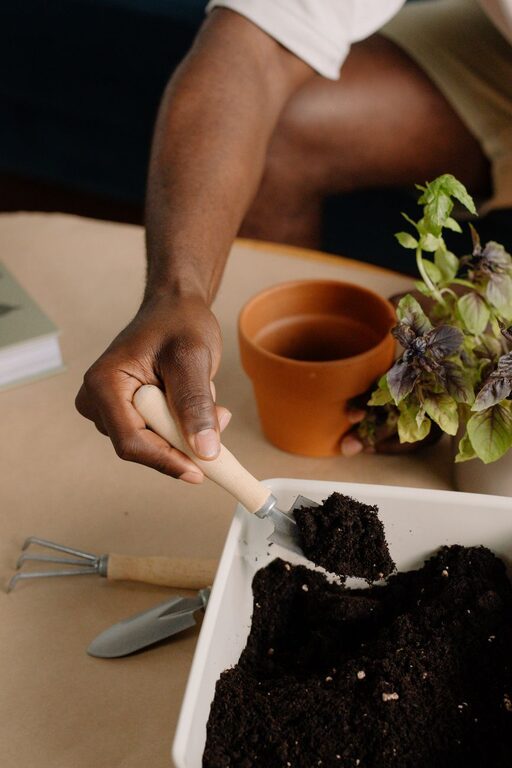
Starting a small herb garden indoors is a wonderful way to enjoy fresh, aromatic herbs all year long. Whether you have limited outdoor space or want to bring a bit of greenery into your home, growing herbs inside is both practical and rewarding. This guide will walk you through everything you need to know to start your own indoor herb garden, from choosing the right plants to caring for them.
Why Grow Herbs Indoors?
Indoor herb gardening offers several benefits:
– Access to fresh herbs anytime
– Adds natural fragrance and beauty to your space
– Saves money compared to buying fresh herbs regularly
– Allows gardening regardless of outdoor climate or season
Choosing the Right Herbs
When starting indoors, it’s best to select herbs that thrive inside and require similar care. Some popular and easy-to-grow options include:
– Basil: Great for cooking and loves sunlight.
– Mint: Hardy and spreads quickly; keep it in its own pot.
– Parsley: Versatile and tolerant of lower light.
– Thyme: Requires less water and thrives in sunny spots.
– Chives: Easy to maintain and great for garnishes.
– Cilantro: Prefers cooler temperatures and moderate light.
Supplies You’ll Need
Before planting, gather these essentials:
– Containers: Pots with drainage holes; size depends on the herb.
– Potting soil: Lightweight, well-draining soil designed for indoor plants.
– Seeds or starter plants: Seeds are economical, while starter plants offer quicker results.
– Light source: A sunny window or grow lights.
– Watering can: For controlled watering.
– Fertilizer: Balanced, water-soluble fertilizer for herbs.
Picking the Right Spot
Light is crucial for herb growth. Most herbs need 6-8 hours of sunlight daily. Ideal spots include:
– South or west-facing windows with ample natural light.
– If natural light is limited, use LED grow lights placed 6-12 inches above the plants.
Avoid spots near heating vents or drafts, as sudden temperature changes can stress plants.
Planting Your Herb Garden
From Seeds
- Fill your pots with potting soil, leaving about an inch from the top.
- Moisten the soil lightly.
- Sprinkle seeds as per the packet instructions (usually thinly).
- Cover seeds with a thin layer of soil.
- Place the pots in a warm, sunny location.
- Keep the soil moist but not soggy until seeds germinate.
- Choose healthy, green plants with no signs of disease.
- Gently remove the plant from its nursery pot.
- Place it in your prepared pot, filling around the roots with potting soil.
- Water thoroughly.
From Starter Plants
Caring for Your Indoor Herb Garden
Watering
– Most herbs prefer slightly moist soil but dislike waterlogging.
– Water when the top inch of soil feels dry.
– Use room-temperature water to prevent shock.
– Ensure excess water drains to avoid root rot.
Feeding
– Feed herbs every 4-6 weeks during the growing season with a diluted balanced fertilizer.
– Avoid over-fertilizing, which can reduce flavor intensity.
Pruning and Harvesting
– Regular trimming encourages bushier growth.
– Harvest leaves by pinching or cutting just above a leaf node.
– Avoid removing more than one-third of the plant at once.
Managing Pests and Problems
– Indoor herbs are less prone to pests but watch for aphids or spider mites.
– Wipe leaves with a damp cloth or use insecticidal soap if needed.
– Ensure good air circulation to prevent mold or mildew.
Tips for Success
– Rotate pots weekly to ensure even light exposure.
– Use separate pots for aggressive growers like mint.
– If herbs start to look leggy, increase light or prune back.
– Label your pots to remember which herb is which.
Conclusion
Starting a small indoor herb garden is a fun and accessible project that can enhance your cooking and brighten your living space. With the right herbs, proper lighting, and regular care, you’ll enjoy fresh, fragrant herbs all year round. Give it a try and watch your indoor garden flourish!