
Starting a skincare routine may seem overwhelming at first, but it doesn’t have to be complicated or expensive. Whether you’re new to skincare or looking to simplify your current regimen, a basic routine can provide great benefits for your skin’s health and appearance. This guide will walk you through the essential steps to build an effective skincare routine that’s easy to follow and customizable to your needs.
Why Start a Skincare Routine?
Your skin is your body’s largest organ and acts as a protective barrier. Taking care of it regularly helps to maintain its health, prevent common skin issues such as dryness, acne, or irritation, and can slow down signs of aging. A basic skincare routine promotes cleanliness, hydration, and protection from environmental damage.
Understanding Your Skin Type
Before creating any routine, it’s important to know your skin type. This helps you choose the right products and avoid irritation.
– Normal: Balanced, not too oily or dry.
– Dry: Feels tight and may flake.
– Oily: Shiny with visible pores and prone to breakouts.
– Combination: Oily in some areas (usually the T-zone) and dry in others.
– Sensitive: Prone to redness, itching, or burning.
You can determine your skin type by washing your face, waiting an hour, and observing how your skin feels and looks.
The Basic Skincare Routine: Four Essential Steps
A simple skincare routine includes cleansing, toning, moisturizing, and protecting your skin. Here’s a breakdown of each step:
1. Cleansing: Start with a Clean Canvas
Cleansing removes dirt, oil, makeup, and impurities that accumulate on your skin throughout the day.
– Choose a gentle cleanser suited for your skin type.
– Avoid harsh soaps that strip your skin’s natural oils.
– Use lukewarm water and massage the cleanser on your face in circular motions.
– Rinse thoroughly and pat your face dry with a clean towel.
– Cleanse twice daily — morning and night.
2. Toning: Balance and Refresh
Toner helps to restore your skin’s pH balance, remove any leftover cleanser residue, and prepare your skin for moisturizer.
– Select an alcohol-free toner to avoid drying out your skin.
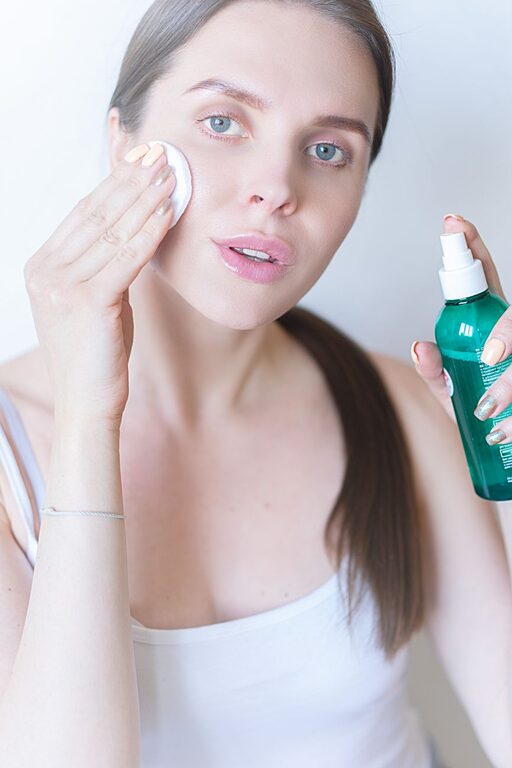
– Apply toner with a cotton pad or by gently patting it onto your skin with your hands.
– Use toner after cleansing, once or twice a day based on your skin’s needs.
3. Moisturizing: Hydrate and Nourish
Moisturizer locks in hydration and strengthens your skin’s barrier.
– Pick a moisturizer suited to your skin type: lightweight lotions for oily skin, richer creams for dry skin.
– Apply moisturizer while your skin is still slightly damp to seal in moisture.
– Use moisturizer every morning and evening.
4. Sun Protection: Shield Your Skin Daily
Sun exposure can cause damage, premature aging, and increase the risk of skin problems.
– Use a broad-spectrum sunscreen with at least SPF 30 every day, even on cloudy days.
– Apply sunscreen as the last step in your morning routine.
– Reapply every two hours if you’re outdoors for an extended period.
Optional Add-ons for Your Routine
Once you feel comfortable with the basic steps, you can add other products tailored to your skin concerns.
Exfoliation
– Removes dead skin cells to reveal smoother skin.
– Use chemical exfoliants (like AHAs or BHAs) or gentle physical scrubs.
– Limit exfoliation to 1-3 times a week to avoid irritation.
Serums
– Concentrated formulas targeting specific concerns like dullness, wrinkles, or acne.
– Apply serums after toner and before moisturizer.
– Start with one serum to see how your skin responds.
Eye Cream
– Designed for the delicate skin around the eyes.
– Helps reduce puffiness, dark circles, and fine lines.
– Pat gently around the eye area using your ring finger.
Tips for Success
– Be consistent: Results come with regular care over time.
– Introduce new products slowly to monitor how your skin reacts.
– Drink plenty of water and maintain a balanced diet for overall skin health.
– Avoid touching your face unnecessarily to reduce the risk of breakouts.
– Adjust your routine seasonally if needed (lighter products in summer, richer in winter).
When to See a Dermatologist
If you experience persistent or severe skin issues such as acne, eczema, or irritation, it’s best to consult a dermatologist. They can provide personalized recommendations and treatments.
Final Thoughts
Starting a basic skincare routine is a great way to care for your skin and boost your confidence. Focus on gentle cleansing, balancing with toner, hydrating with moisturizer, and protecting from the sun. With these foundational steps, you’ll build healthy habits that help your skin look and feel its best every day. Remember, simplicity and consistency are key!