
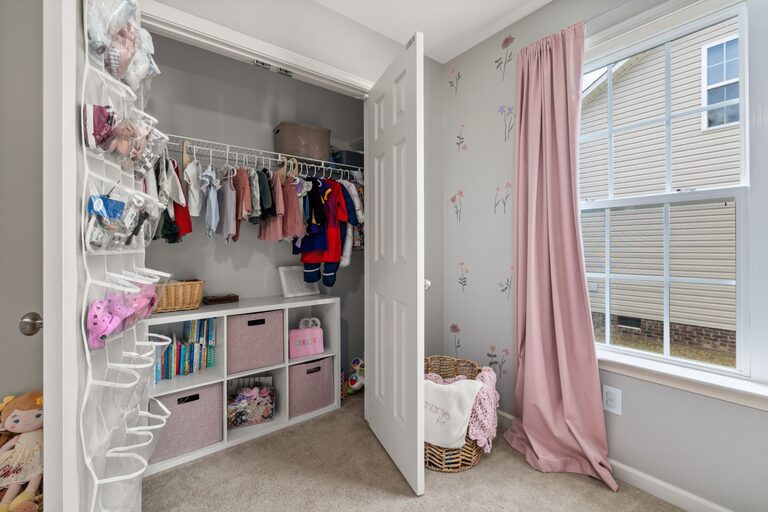
Children’s artwork is a wonderful expression of their creativity and imagination. However, as the masterpieces pile up, parents often find themselves wondering how to keep all those drawings, paintings, and crafts organized without creating clutter. Whether your child is a budding artist or just enjoys doodling, having a system to manage their art can help preserve memories and maintain a tidy living space.
In this post, we’ll explore simple, practical tips to organize kids’ art that make it easy to store, display, and enjoy their creations.
Why Organize Your Child’s Artwork?
Before diving into solutions, it helps to understand why organizing kids’ art is important:
– Preserves Memories: Artwork captures special moments and stages in your child’s development.
– Reduces Clutter: Without a plan, paper piles can overwhelm drawers and counters.
– Encourages Creativity: A well-organized system allows kids to see and appreciate their own progress.
– Makes Gift-Giving Easy: Artwork can be turned into thoughtful gifts for family and friends.
With these benefits in mind, here are some tips to keep that artwork both accessible and tidy.
1. Create a Dedicated Art Space
Setting up an area specifically for art activities helps contain supplies and creations in one zone. This can be:
– A small table in a corner
– A section of the playroom
– A portable art caddy that moves where needed
Having a designated spot encourages kids to put finished pieces in a specific place, rather than leaving them around the house.
2. Use Portable Storage Solutions
Since kids create art constantly, it’s helpful to have portable and easy-to-use storage options:
– Expandable Art Folders: These large, accordion-style folders can hold multiple drawings flat and are easy to label by month or year.
– Clear Plastic Bins: Label bins for different types of art projects like paintings, crafts, or 3D work.
– Art Portfolios: These slim folders keep artwork neat and are ideal for storing and sorting by age or grade.
Portable storage makes it easier to review and rotate the pieces you keep.
3. Display Artwork Creatively
Showcasing your child’s art can be both a confidence booster and a way to enjoy their creativity regularly:
– Rotating Gallery Wall: Use frames or clipboards on a wall to display current favorites. Rotate regularly to keep it fresh.
– String and Clips: Hang a string or wire across a wall or window and use clothespins to clip artwork.
– Digital Displays: Scan or photograph artwork and display slideshows on a digital photo frame.
Displaying art reduces clutter and lets kids feel proud of their creations.
4. Digitize and Archive Artwork
If physical storage space is limited or you want to keep a permanent record, digitizing is an excellent option:
– Scan or Photograph: Use a scanner or high-quality camera to capture images of artwork.
– Organize Digitally: Create folders on your computer or cloud storage by date or project type.
– Create Digital Albums or Books: Use these images to make photo books or online albums for easy sharing with family.
Digitizing preserves artwork from wear and tear and makes it easier to revisit memories without physical clutter.
5. Establish a “Keep, Gift, or Recycle” System
Not every piece of art can or should be kept indefinitely. Teach kids to help sort their artwork into:
– Keep: Special pieces that have personal or sentimental value.
– Gift: Artworks that can be given to family members or friends.
– Recycle: Projects that no longer spark joy and can be discarded responsibly.
This system helps maintain order and teaches children decision-making skills.
6. Organize by Age or Grade
Labeling and sorting artwork by age or school grade helps you track your child’s growth and makes it easier to locate specific items later. This can be done in:
– Art portfolios labeled by year
– Binders with clear plastic sheet protectors
– Online folders with date tags
This organization method creates a timeline of creativity you and your child can look back on.
7. Make Use of Storage Furniture
Consider furniture pieces that combine storage and functionality, such as:
– Storage benches: Store art supplies or portfolios inside while providing seating.
– Shelving units with bins: Open shelves with labeled bins for easy access.
– Filing cabinets: Use file folders to sort artwork neatly.
These pieces keep the artwork organized and help integrate storage seamlessly into your home décor.
8. Encourage Regular Art Decluttering Sessions
Set aside time every few months to go through the artwork collection with your child. This can be:
– A fun family activity
– A chance to reminisce about favorite projects
– An opportunity to decide what to keep, gift, or recycle
Regular decluttering prevents overwhelming piles and creates a manageable art archive.
Conclusion
Keeping kids’ artwork organized doesn’t have to be a daunting task. By creating dedicated spaces, using smart storage solutions, and involving your children in the process, you can celebrate their creativity while maintaining a clutter-free home. Whether you display masterpieces proudly or preserve them digitally, organization makes it easier to enjoy these special memories for years to come.
Try out a few of these tips and discover the best system that works for your family!